
3 hr
Bioluminescent Bay Evening Boat Tour with Snorkeling
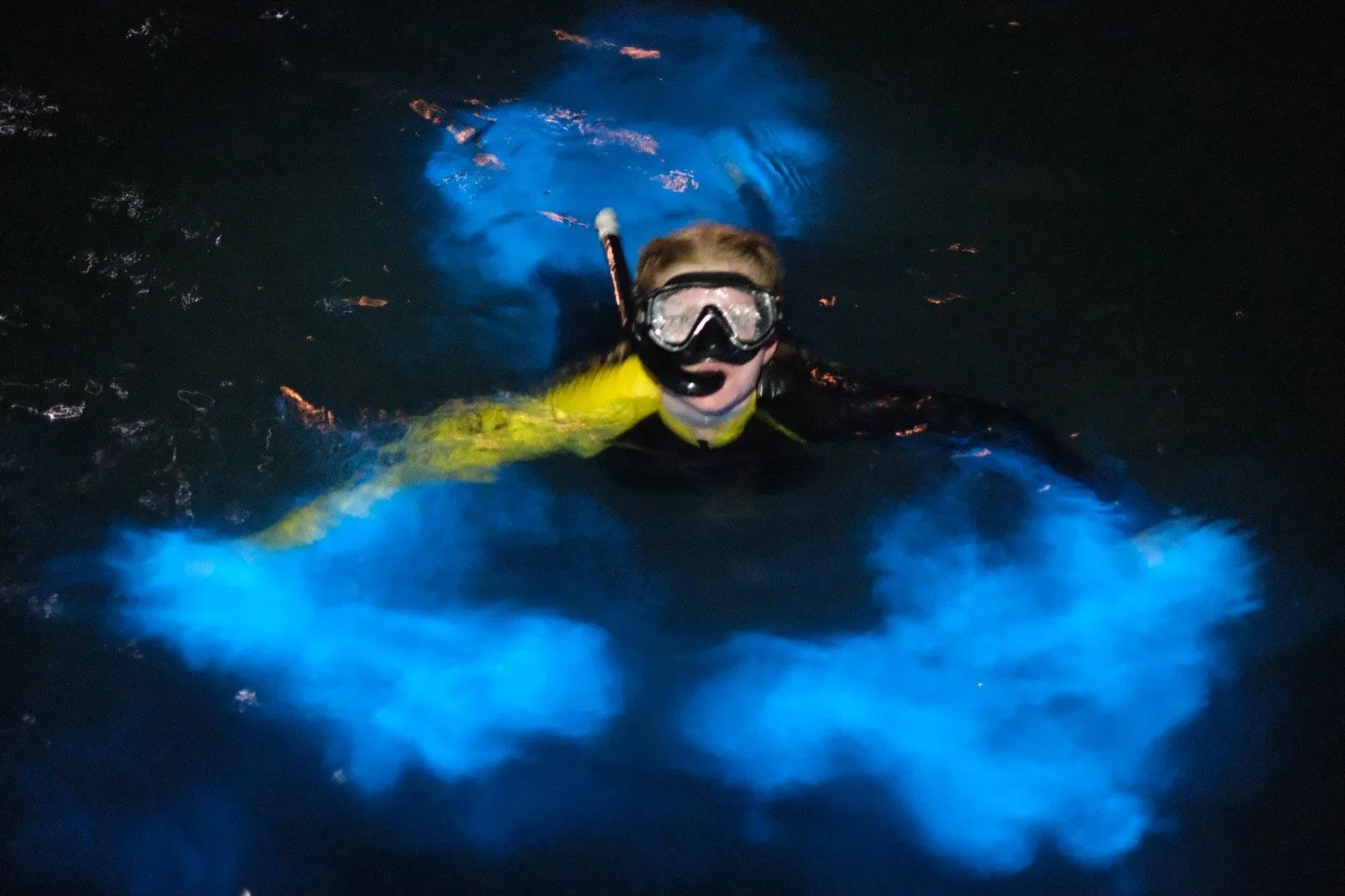
Glide through glowing waters and witness millions of bioluminescent organisms lighting up the night
Reserve
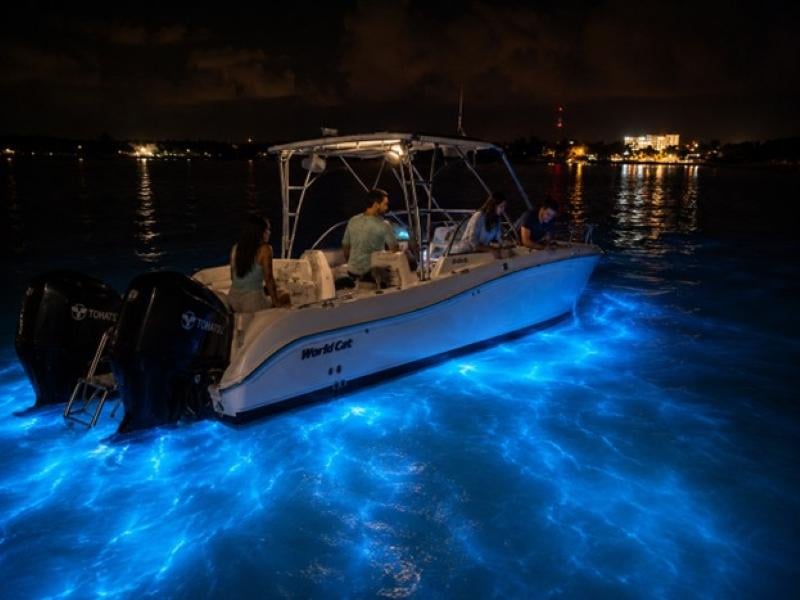
Glide through living light in protected mangrove waters, darkness revealing each paddle stroke in electric blue
Hand-picked by our editors — only the best 5 experiences from 14 reviewed.
Verified partners for every tour, free cancellation where available, and instant confirmation on every booking.
3 hr
Glide through glowing waters and witness millions of bioluminescent organisms lighting up the night
Reserve
2 hr
Witness Grand Cayman's glowing waters come alive after dark on an exclusive nighttime boat adventure
Reserve
3 hr 30 min
Sail aboard a spacious catamaran to swim with stingrays, snorkel vibrant reefs, and discover starfish.
ReservePrices from verified partners. Availability updates in real time at checkout. Free cancellation policies apply where shown.
The landmarks, rooms, and views travelers on this tour remember — all visible on a single visit.
Observe the red cushion sea stars in shallow water before heading to the bay.
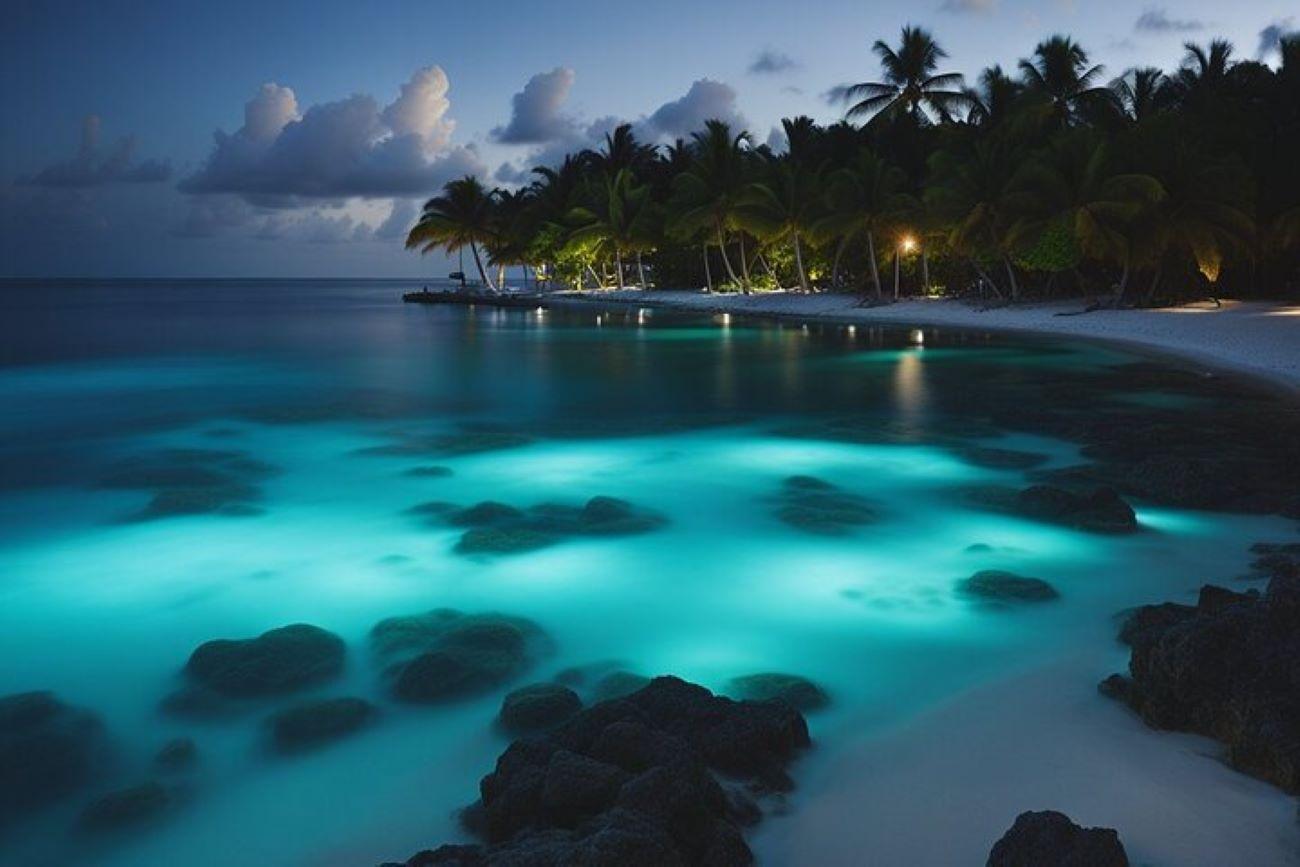
The core area where high concentrations of dinoflagellates emit blue light when disturbed.
The protected coastline of the bay helps keep waters calm and sheltered for plankton growth.
A scenic route often traveled by boat to reach the quiet sanctuary of the bay.
A shallow, safe body of water that facilitates both boat viewing and optional night snorkeling.
They complement each other; most visitors who do both call the Stingray City Catamaran Adventure more interactive, while the private bioluminescent bay tour grand cayman offers a unique nocturnal encounter with aquatic plankton.
| Feature | Top pick Bio Bay Tour | Stingray City |
|---|---|---|
Time of day |
18:00–21:00 | Morning to afternoon |
Activity type |
Nocturnal nature observation | Wildlife interaction |
Interaction level |
Visual observation | Hands-on animal contact |
Water conditions |
Calm, protected inlet | Shallow, clear sandbar |
Equipment needed |
Licensed tour operator | Snorkel gear and boat |
Booking requirements |
private bioluminescent bay tour grand cayman tours | private bioluminescent bay tour grand cayman tickets |
| See tickets → |
Verdict: Choose the Bio Bay if you prefer quiet, evening natural phenomena, or opt for the Stingray City private bioluminescent bay tour grand cayman tour if your priority is active, daytime animal encounters.
Choose your ticket, select your date, and reserve in under two minutes. Secure checkout handled by our verified partner.
Instant confirmation by email, with a mobile voucher you can save offline. No printing, no queuing at a collection desk.
Arrive at the entrance, show your voucher on your phone, and walk in. Most tickets include priority or skip-the-line access.
Practical details for your visit straight from our verified partners — hours, access, rules, and how to get there.
Wear comfortable swimwear or lightweight clothing that you do not mind getting wet. Bringing a dry change of clothes and a towel is recommended for your return trip.
Keep personal belongings minimal as storage space on boats is limited. Waterproof bags are recommended to protect electronics from salt water spray during the excursion.
Photography is permitted, though capturing bioluminescence requires specialized low-light settings. Avoid using flash, as it can disrupt the natural environment and affect other guests' night vision.
Access to the water involves boarding small vessels, which may not be suitable for those with limited mobility. Please consult your tour operator regarding specific equipment needs for a private bioluminescent bay tour Grand Cayman.
This evening experience is suitable for families, though children should be comfortable in dark, water-based environments. Ensure all young swimmers are supervised and wear provided life vests.
Most operators do not provide meals; however, some allow you to bring your own snacks or drinks. Verify your operator's policy regarding coolers before boarding your private bioluminescent bay tour Grand Cayman.
Best time to go, insider tips, nearby landmarks, and the cancellation fine print — flip through to skim what matters to you.
Flexible, no hidden fees.
Full refunds are available for cancellations made at least 24 hours prior to your scheduled departure. Please confirm your booking details directly with your licensed provider to manage changes.
The bioluminescent bay off North Side, Grand Cayman, remains one of the Caribbean's least commercialized natural phenomena. Unlike the heavily trafficked bio bays of Puerto Rico or Jamaica, Grand Cayman's site sits within a protected mangrove ecosystem where tour access is limited to a handful of licensed operators, each restricted to small-group departures between sunset and 21:00. The luminescence itself is produced by dinoflagellates — Pyrodinium bahamense — single-celled organisms that flash blue-green light when agitated by movement. Peak visibility occurs during new moon phases when ambient light is minimal and water temperature hovers above 24°C, conditions that typically align from April through November. Grand Cayman's bio bay differs structurally from its regional counterparts. The site occupies a shallow lagoon fed by tidal channels, with mangrove roots creating a natural filtration system that maintains the high salinity and nutrient balance the dinoflagellates require. Water depth rarely exceeds two meters, and the absence of artificial light sources within a three-kilometer radius preserves the darkness necessary for full visibility. Marine biologists estimate the concentration here reaches 200,000 organisms per liter during optimal conditions, producing a glow intense enough to outline hands and paddles in sustained trails of light. Private bioluminescent bay tour Grand Cayman experiences gained prominence in the early 2010s when conservation groups partnered with local operators to establish strict access protocols. Tour vessels are limited to electric or paddle-powered craft, eliminating propeller disturbance and fuel contamination. Group sizes cap at six passengers per guide, and operators maintain a blackout protocol, requiring all flashlights and phone screens to be covered until guests are back ashore. The result is an experience closer to scientific field observation than leisure tourism. The broader ecological significance extends beyond the spectacle. The mangrove network supporting the bio bay serves as a nursery for juvenile tarpon, snapper, and bonefish, species that migrate into deeper reef systems as they mature. Researchers from the University of the West Indies have documented over 40 fish species and 12 crustacean species within the bay's boundaries, many of which are bioluminescent themselves at larval stages. The tours now fund ongoing monitoring programs, with operators required to log water temperature, salinity, and organism density after each departure. That data feeds directly into regional climate impact studies tracking how warming sea temperatures affect dinoflagellate populations across the Caribbean basin.
"Water depth rarely exceeds two meters, and the absence of artificial light sources within a three-kilometer radius preserves the darkness necessary for full visibility."
A step-by-step walkthrough of the visit — what you'll see, how long each stage takes, and the details that matter.
You board at the North Side dock just after 18:30, the last amber light draining from the western sky. Your guide issues waterproof bags and reviews the blackout protocol, then poles the shallow-draft boat into the mangrove channel. No motor, no paddle splash yet — just the hull gliding over dark water, mangrove canopy closing overhead. The channel narrows, roots forming a low tunnel, and the guide cuts the remaining navigation light. Total darkness settles for thirty seconds. Then your eyes adjust, and you see the first faint sparks trailing the boat's wake. Your guide dips a hand into the water and drags it slowly — a comet tail of blue-green light follows each finger, fading after three seconds. You're handed a paddle. The first stroke sends a phosphorescent bloom radiating outward, each ripple edged in glow. Fish dart beneath the hull, their outlines strobing in bursts of light. You drift into the open lagoon, water now lit by your movements alone. The guide encourages you to slide a hand through the surface, to kick gently if you're comfortable in the shallows. Every gesture leaves a luminous signature. The tour holds here for twenty minutes, no agenda beyond observation, before the return pole through the mangroves. By 20:45 you're back at the dock, night vision spent, the glow still visible as afterimage when you blink.
The Bioluminescent Bay operates daily from 18:00–21:00.
The entrance fee is 0 USD, but access is restricted to licensed tour operators only.
No, access is strictly limited to licensed operators to protect the fragile ecosystem.
Tickets should be booked directly through certified tour providers to ensure your spot on a private boat.
The best arrival window is 18:30–20:30, as darkness is required to see the bioluminescent phenomenon effectively.
Yes, tours are generally family-friendly, provided children are comfortable with water and the dark.
Bring a towel, dry clothes, and swimwear; verify food and drink policies with your specific tour provider.
Yes, you can take photos, but avoid using flash to ensure the visibility of the natural glow.
Visibility is generally better during the new moon phase when there is less ambient light.